
have auto licence want manual
Understanding the Automatic to Manual Transmission Swap
Transitioning from an automatic to a manual transmission, especially with only an automatic license, presents unique challenges and opportunities․
Many enthusiasts desire greater control and engagement, but legal and practical hurdles exist;
Careful planning and understanding are crucial for a successful conversion․
Considering the current date of March 24, 2026, resources like Reddit and Facebook groups (sources [1] & [2]) show ongoing interest in swap costs․
However, access to some information is restricted due to security measures (sources [3] & [4])․
Initial Considerations & Vehicle Compatibility
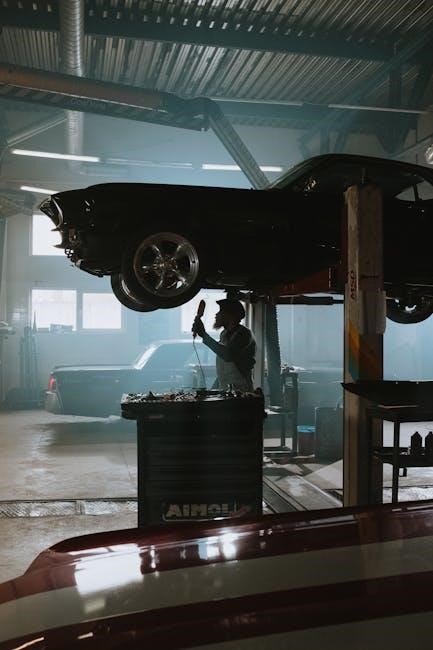
Before embarking on an automatic-to-manual transmission swap, particularly if you possess only an automatic license, a thorough assessment of vehicle compatibility is paramount․ Not all vehicles are straightforward candidates for this conversion; some present significant engineering challenges․ The year, make, and model heavily influence the feasibility and complexity of the swap․
Crucially, investigate whether the donor manual transmission and related components (flywheel, clutch, pedal assembly, shifter) are directly compatible with your vehicle’s engine and chassis․ Online forums and communities, like those referenced on Reddit and Facebook (sources [1] & [2]), can provide valuable insights from individuals who have undertaken similar projects․ However, be mindful of potential access restrictions due to security protocols, as noted in sources [3] & [4]․
Furthermore, consider the legal implications․ Many jurisdictions require a driving test specifically for manual transmissions to update your license․ Operating a vehicle with a manual transmission on an automatic license could lead to insurance complications or legal penalties․ Research your local regulations thoroughly before proceeding․ The swap’s success hinges on meticulous planning and ensuring all components work harmoniously with your vehicle․
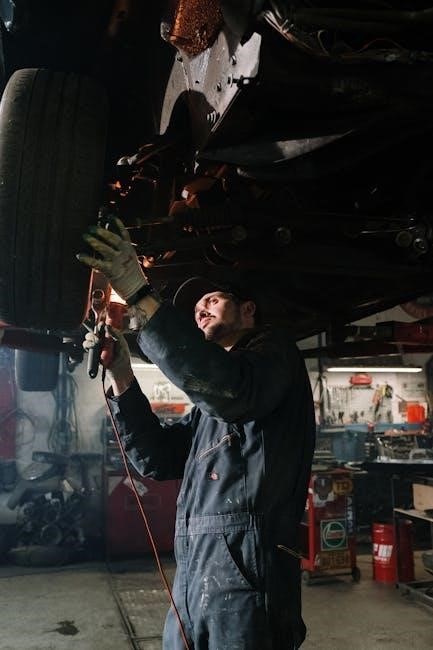
Finally, assess the vehicle’s overall condition․ A well-maintained vehicle is a better candidate than one with existing mechanical issues․
Assessing Your Mechanical Skills
Undertaking an automatic to manual transmission swap is a complex undertaking, demanding a realistic evaluation of your mechanical aptitude․ While enthusiasm is commendable, particularly for those with only an automatic license seeking a more engaging driving experience, the project isn’t for the faint of heart․ It requires a solid understanding of automotive mechanics, including drivetrain components, wiring, and potentially, fabrication skills․
Honest self-assessment is crucial․ Have you successfully completed similar projects, such as brake replacements, suspension work, or engine repairs? Can you confidently use hand tools, power tools, and diagnostic equipment? Are you comfortable reading and interpreting technical manuals and wiring diagrams? Resources like YouTube tutorials (source [4]) can offer guidance, but they aren’t a substitute for practical experience․
If your mechanical skills are limited, consider the scope of the project․ A complete DIY swap is significantly more challenging than a partial one, or outsourcing specific tasks to a qualified mechanic․ Remember, errors can be costly and potentially dangerous․ Online communities (sources [1] & [2]) can offer support, but ultimately, the responsibility for a safe and successful conversion rests with you․ Be realistic about your capabilities and don’t hesitate to seek professional assistance when needed․
Ignoring your skill level can lead to frustration and costly mistakes․
Cost Breakdown: Parts Required for the Swap
Estimating the cost of an automatic to manual transmission swap requires a detailed parts list․ Beyond the transmission itself, numerous components are necessary, significantly impacting the overall expense․ As evidenced by inquiries on platforms like Reddit and Facebook (sources [1] & [2]), understanding these costs upfront is vital, especially for those transitioning from an automatic license․
Essential parts include a compatible manual transmission, clutch kit (disc, pressure plate, throw-out bearing), flywheel, pedal assembly (clutch, brake), shifter mechanism, shift linkage or cables, and potentially a modified driveshaft․ Don’t forget smaller items like transmission fluid, hardware, and potentially a new ECU if required․ Sourcing options range from new parts to used components, impacting price․
Budget approximately $1,500 to $5,000+ depending on the vehicle, transmission type, and parts quality․ Labor costs, if outsourcing, can add another $1,000 to $3,000+․ Remember to factor in potential hidden costs, such as unforeseen repairs or modifications․ Thorough research and obtaining quotes from multiple suppliers are crucial for accurate budgeting․ Online resources, while sometimes restricted (sources [3] & [4]), can provide ballpark figures․
Careful planning prevents financial surprises during the conversion․
Transmission Options & Sourcing
Selecting the right transmission is paramount for a successful swap, particularly when transitioning from an automatic license holder to manual operation․ Options range from original equipment manufacturer (OEM) transmissions designed for your vehicle to aftermarket alternatives offering enhanced performance or gear ratios․ Compatibility is key; ensure the chosen transmission physically fits and integrates with your vehicle’s drivetrain․
Sourcing transmissions involves several avenues․ Local junkyards can offer cost-effective options, but condition varies․ Online marketplaces like eBay and specialized forums connect buyers and sellers, providing wider selection but requiring careful vetting․ New transmissions offer reliability but come at a premium price․ Considering the date (March 24, 2026), online access to information may be intermittently restricted (sources [1], [3], & [4])․
Research thoroughly, verifying compatibility and condition before purchasing․ Factor in shipping costs and potential core charges․ Explore options from similar vehicle models or generations, as they may offer direct bolt-in compatibility․ Prioritize transmissions with documented history and reputable sellers to minimize risks․ Remember, a well-chosen transmission is the foundation of a satisfying manual driving experience․
Due diligence is essential for a smooth swap․
Clutch, Flywheel & Pedal Assembly Costs
Essential components beyond the transmission itself significantly impact the overall cost of an automatic-to-manual conversion․ The clutch kit – encompassing the disc, pressure plate, and throw-out bearing – typically ranges from $200 to $800, depending on quality and vehicle application․ A new flywheel, often necessary, adds another $150 to $500, especially if resurfacing the original isn’t feasible․
The pedal assembly is a crucial, often overlooked expense․ If your vehicle originally came with an automatic transmission, you’ll need a complete manual pedal set, including the clutch pedal, master cylinder, and slave cylinder․ These can cost between $300 and $700, depending on sourcing (new, used, or aftermarket)․ Installation can add to this cost․
Considering the challenges of accessing information as of March 24, 2026 (sources [1], [3], & [4]), obtaining accurate pricing requires diligent research․ Factor in potential costs for hydraulic lines, bushings, and hardware․ Prioritizing quality components ensures reliability and a smooth driving experience, despite the initial investment․ Remember, these are fundamental for a successful transition․
Budget accordingly for these critical parts․

Driveshaft Modifications & Expenses
A frequently underestimated aspect of an automatic-to-manual swap is the potential need for driveshaft modifications․ Automatic and manual transmissions often have different output shaft lengths, necessitating adjustments to the driveshaft to ensure proper fitment and operation․ This can range from simple shortening or lengthening to complete replacement․
Costs vary significantly depending on the vehicle and the extent of the required modifications․ A basic driveshaft shortening might cost $150 to $300, while a full custom driveshaft can easily exceed $500 to $800․ Consider the possibility of needing a new driveshaft yoke to match the manual transmission’s output shaft․
Given the reported access issues to online resources as of March 24, 2026 (sources [1], [2], & [3]), verifying compatibility and obtaining accurate quotes is paramount․ Don’t overlook the potential for additional expenses related to U-joint replacement or balancing the driveshaft after modification․ Proper driveshaft length is critical for preventing vibrations and ensuring drivetrain longevity․
Careful measurement and professional assessment are highly recommended․
Wiring Harness & ECU Considerations
The wiring harness presents a significant challenge during an automatic-to-manual conversion․ Automatic transmissions require wiring for the transmission control module (TCM), solenoids, and various sensors․ A manual swap necessitates removing this wiring and integrating the necessary connections for the manual transmission, such as a reverse light switch and potentially a vehicle speed sensor․
ECU (Engine Control Unit) considerations are also crucial․ Some vehicles require an ECU reprogram or a standalone ECU to function correctly with a manual transmission, especially if the original ECU relied on transmission input for engine management․ This reprogramming can range from $300 to $800 or more․
Considering the reported website access issues as of March 24, 2026 (sources [1], [3], & [4]), obtaining vehicle-specific wiring diagrams and ECU tuning information is vital․ Expect potential costs for wiring connectors, splicing tools, and professional ECU tuning services․ Ignoring these electrical aspects can lead to drivability issues or even engine damage․
Thorough research and careful wiring are essential for a successful conversion․
Shifter Mechanism & Cable Costs

Selecting the appropriate shifter mechanism and cables is critical for a smooth and precise manual transmission experience․ Costs vary significantly based on the vehicle and desired shifter quality․ A basic shifter assembly, including the stick, base, and linkage, can range from $150 to $500․
Cable-operated shifters generally require a new cable assembly, costing between $100 and $300, depending on length and quality․ Rod-linkage shifters, common in older vehicles, may require adjustments or replacement of worn components․ Expect to spend $50 to $200 on bushings and hardware․
Considering the date of March 24, 2026, and the reported access issues to online resources (sources [1], [3], & [4]), sourcing parts may require diligent searching and potentially higher prices․ High-performance shifters with shorter throws and improved feel can exceed $800․ Don’t forget the console modifications needed to accommodate the new shifter position, adding another $50-$200 to the budget․
Proper installation and adjustment are crucial for optimal shifting performance․
Labor Costs: Mechanic vs․ DIY
The decision to hire a mechanic or tackle the automatic-to-manual swap yourself significantly impacts the overall cost․ Professional installation typically ranges from $1,500 to $4,000, depending on the vehicle’s complexity and the mechanic’s hourly rate․ This figure encompasses disassembly, installation, wiring, and fluid filling․
DIY installation, while saving on labor, demands substantial mechanical skill, specialized tools, and time․ It’s a considerable undertaking, especially for someone without prior transmission experience․ The time commitment can easily exceed 40-60 hours․
Given the date of March 24, 2026, and the reported difficulties accessing online forums (sources [1], [2], & [3]), finding reliable DIY guides and support might be challenging․ A failed DIY attempt could lead to costly repairs, potentially exceeding professional installation costs․ Furthermore, possessing only an automatic license necessitates learning manual driving skills, potentially requiring lessons, adding to the overall expense․
Carefully assess your abilities and resources before choosing a path․
Potential Hidden Costs & Contingency Planning
Beyond the primary components, numerous hidden costs can inflate the automatic-to-manual swap budget․ Worn or damaged parts discovered during disassembly – such as rusted bolts, cracked brackets, or failing seals – require immediate replacement․ These unexpected expenses can quickly add up․
Furthermore, modifications to the exhaust system, brake lines, or floor pan might be necessary for proper fitment, incurring additional material and labor costs․ If you only possess an automatic license, factor in the expense of manual driving lessons to legally and safely operate the converted vehicle․
Considering the date of March 24, 2026, and reported website access issues (sources [1], [3], & [4]), obtaining accurate cost estimates and troubleshooting advice may prove difficult․ A contingency fund of 10-20% of the estimated total cost is crucial to cover unforeseen issues․ Don’t underestimate the potential for delays and complications, especially with limited online resource availability․
Thorough planning and a financial buffer are essential for a smooth conversion․
Tools Required for the Conversion
A comprehensive toolkit is paramount for a successful automatic-to-manual transmission swap․ Essential items include a full socket set (metric and standard), various wrenches, torque wrenches (covering a wide range), and a breaker bar for stubborn bolts․ Specialized tools like a transmission jack, clutch alignment tool, and flywheel holding tool are also indispensable․
Beyond the basics, consider a pneumatic impact wrench to expedite disassembly, and a set of screwdrivers (Phillips and flathead)․ Diagnostic tools, such as an OBDII scanner, are crucial for addressing any ECU-related issues post-swap․ Given the date of March 24, 2026, and reported website access problems (sources [1], [3], & [4]), relying on readily available online tutorials might be challenging․
If you’re new to manual transmissions – particularly with an automatic-only license – investing in a quality floor jack and jack stands is non-negotiable for safety․ A multimeter and wiring tools will be necessary for handling the electrical components․ Proper safety gear, including gloves and eye protection, is also vital throughout the process․
Preparation is key to a smooth and safe conversion․
Time Estimate for Completion
Estimating the time required for an automatic-to-manual transmission swap is highly variable, dependent on experience, vehicle specifics, and unforeseen complications․ For a first-timer, especially someone transitioning from an automatic-only license, a realistic timeframe is 40-80 hours․ This assumes no major rust or seized components․
Breaking down the process, disassembly can take 8-12 hours, installation of the new transmission and associated parts (clutch, flywheel, shifter) another 12-20 hours․ Wiring harness modifications and ECU adjustments can easily consume 8-16 hours, particularly given potential access issues to online resources as of March 24, 2026 (sources [1], [3], & [4])․
Post-installation, expect several hours for fluid filling, bleeding the clutch, and thorough testing․ Contingency time is crucial – add at least 10-20 hours for unexpected problems․ If outsourcing portions to a mechanic, factor in their scheduling and potential delays; Remember, patience and meticulousness are key to a successful conversion․
Rushing the process can lead to errors and safety hazards․
Legal & Insurance Implications
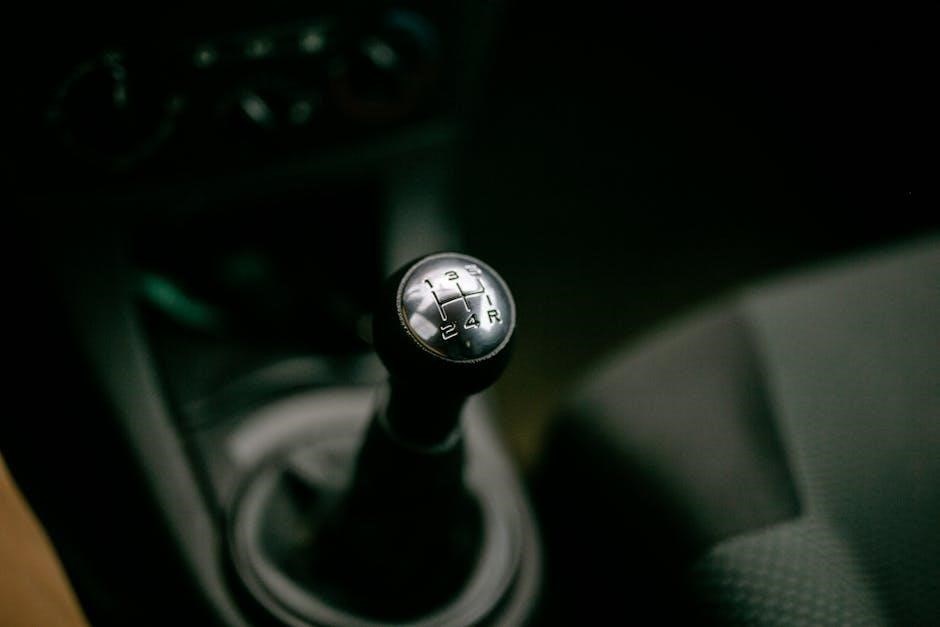
Converting from an automatic to a manual transmission raises significant legal and insurance considerations, particularly for drivers holding only an automatic license․ Many jurisdictions require a manual transmission endorsement or a full manual license to legally operate a vehicle with a manual gearbox․
Failing to obtain the correct license could invalidate your insurance coverage in the event of an accident․ Insurance companies view this as driving without a proper license, potentially leading to claim denial and legal repercussions․ It’s crucial to verify local regulations regarding license requirements before commencing the swap․
Furthermore, inform your insurance provider about the modification․ They may require an inspection to assess the safety of the conversion and adjust your premium accordingly․ Some insurers may refuse coverage altogether for modified vehicles․ Documentation of the swap, including parts receipts and mechanic invoices (if applicable), is essential․ Resources like online forums (source [1] & [2]) can offer anecdotal experiences, but always confirm information with official sources․
Ignoring these aspects can lead to substantial legal and financial consequences․
Common Problems During the Swap
Undertaking an automatic to manual transmission swap, especially for someone unfamiliar with manual driving, often reveals unforeseen challenges․ A frequent issue is incorrect parts selection; ensuring compatibility with your vehicle is paramount․ Mismatched components can lead to functionality problems and necessitate costly replacements․
Wiring harness integration can be complex, potentially causing electrical gremlins if not executed meticulously․ The clutch hydraulic system, if applicable, requires careful bleeding to prevent spongy pedal feel and engagement issues․ Driveshaft length discrepancies are also common, demanding modification or replacement․
For drivers with only an automatic license, mastering the clutch and shifter coordination presents a steep learning curve․ Stalling, jerky starts, and difficulty finding gears are typical initial hurdles․ Furthermore, the ECU may require reprogramming to optimize performance with the manual transmission․ Online resources (sources [1] & [4]) highlight these issues, but practical experience is invaluable․ Thorough testing and adjustments are vital post-swap to ensure smooth operation and prevent premature wear․
Anticipating these problems streamlines the process․
Post-Swap Maintenance & Adjustments
Following a successful automatic to manual transmission swap, diligent maintenance and precise adjustments are crucial, particularly for drivers transitioning from automatic licenses․ Initial clutch adjustment is paramount; ensuring proper engagement prevents slippage and premature wear․ Regularly check and top off brake and clutch fluids, monitoring for leaks․
Transmission fluid changes should adhere to the manufacturer’s recommendations, utilizing the correct fluid type․ Inspect the shifter linkage for smooth operation and adjust as needed to eliminate sloppiness․ Pay close attention to any unusual noises emanating from the transmission or clutch, as these could indicate underlying issues․
For those new to manual driving, consistent practice is essential to refine shifting technique and develop muscle memory․ Online communities (sources [1] & [2]) offer valuable advice and troubleshooting tips․ Periodic inspections of the driveshaft and exhaust system are also recommended․ Remember, proactive maintenance extends the lifespan of your new manual transmission and ensures a pleasurable driving experience․
Consistent attention to detail is key․
Resources & Communities for Support
Embarking on an automatic to manual transmission swap, especially with an automatic-only license, necessitates a strong support network․ Online forums, like those found on Reddit (source [1]) and Facebook groups (source [2]), are invaluable resources for sharing experiences, troubleshooting issues, and sourcing parts․
YouTube channels (source [4]) offer visual guides and step-by-step instructions, though access can sometimes be restricted due to security protocols․ Dedicated automotive communities often host local meetups and workshops, providing hands-on learning opportunities․ Manufacturer-specific forums can offer detailed information regarding compatibility and potential challenges․
Consider joining online groups focused on your vehicle’s make and model; these communities frequently have members who have completed similar swaps․ Don’t hesitate to ask questions, share your progress, and contribute to the collective knowledge base․ Remember, a supportive community can significantly ease the complexities of this conversion and enhance your learning curve as you adapt to manual driving․
Leverage collective expertise for success․
Related Posts

oikiture bed frame assembly instructions
Learn how to assemble your Oikiture bed frame with our easy-to-follow guide. Get step-by-step instructions and tips for a hassle-free setup.
clipsal single light switch wiring diagram pdf
Struggling with your Clipsal single light switch wiring? Download our easy-to-follow PDF diagram and get your lights working in no time! Australia focused.